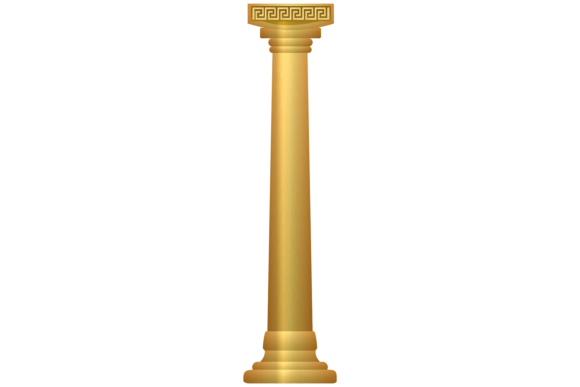
The Enduring Elegance of Historical Golden Column
Some design elements carry the weight of history in every line and curve. The Historical Golden Column with Decorative order is one such asset—a typeface that doesn't just represent letters but evokes the grandeur of classical architecture and centuries of artistry. For designers and creators, it's more than a font; it's a gateway to a specific, powerful aesthetic. This detailed carving, often seen isolated on a white background in formats like EPS, JPG, or transparent PNG, offers a unique blend of timeless sophistication and intricate detail. It speaks of heritage, stability, and refined beauty, making it a compelling choice for projects that need to convey depth and legacy.
A Typeface with Architectural Soul
At its core, Historical Golden Column is a premium display font that draws direct inspiration from the ornate capitals of classical columns. Its visual personality is defined by strong vertical lines, subtle fluting, and incredibly detailed decorative elements—think acanthus leaves, scrolls, and geometric patterns carved into stone. The "golden" aspect often refers to its typical color application, but the style itself shines in any hue. It possesses a formal, authoritative, and almost majestic presence. This isn't a font for body text; it's a serif font in the truest architectural sense, where each letterform is a miniature monument. Its appeal lies in this intricate craftsmanship, offering a level of visual richness that simpler modern typography cannot match.
Where This Classical Style Commands Attention
Understanding where to deploy Historical Golden Column is key to leveraging its strengths. Its inherent formality and detail make it a natural fit for specific contexts.
- Branding & Logo Design: It excels for brands in luxury goods, heritage services, high-end hospitality, law firms, or cultural institutions. A logo using this typeface instantly communicates tradition, quality, and permanence.
- Editorial & Publishing: Use it for chapter headings in historical novels, title pages for academic journals, or mastheads for magazines focused on architecture, history, or art. It adds gravitas to editorial design.
- Packaging & Labels: For premium products like aged spirits, artisanal foods, or luxury cosmetics, this font on packaging suggests time-honored recipes and superior craftsmanship.
- Digital & Web Design: While not for paragraphs, it's stunning for hero banners, event announcement headers, or as a decorative element on websites for museums, galleries, or wedding planners. In web design, it works best as a striking accent.
- Event & Marketing Graphics: Invitations to galas, award ceremony programs, or social media graphics for historical anniversaries gain immediate sophistication.
Conversely, it would overwhelm a tech startup's playful brand or a casual food blog. The key is matching its personality to the project's core message.
The Strategic Impact on Your Project
Integrating a font like Historical Golden Column isn't just an aesthetic choice; it's a strategic one that influences multiple facets of your work.
Visual Hierarchy & Readability: As a display font, its primary role is to command attention at the top of the hierarchy—headlines, logos, and pull quotes. Its detailed nature means readability diminishes rapidly at smaller sizes. Never set a paragraph in it. Pair it with a clean, neutral sans serif font or a simple serif font for body text to create a clear, functional contrast.
Brand Perception & Recognition: The font acts as a silent ambassador. It tells your audience that your brand values history, detail, and established quality. This builds immediate trust in sectors where heritage is a virtue. Consistent use across brand identity materials—from business cards to social media graphics—reinforces this perception, making your brand instantly recognizable and distinct.
Professionalism & Audience Engagement: Using such a specialized, creative font correctly demonstrates a high level of design intentionality. It shows you've considered every detail, which elevates the perceived professionalism of the entire project. For the right audience—those who appreciate artistry and history—it creates a powerful emotional connection, engaging them on a level that generic fonts cannot.
A Practical Guide to Using This Ornate Asset
Before you commit, treat this commercial font with the scrutiny it deserves. Here’s how to evaluate and implement it effectively.
- Evaluate the Project Fit: Ask yourself: Does my project's theme align with classical elegance, history, or luxury? If the answer is a casual "maybe," it's likely not the right fit. This font has a strong voice; it must harmonize with your message.
- Test Font Pairings Rigorously: Don't guess. Create mockups pairing Historical Golden Column with potential body fonts. Look for a sans serif with good x-height for digital, or a timeless serif like Garamond for print. The contrast should be clear, not conflicting.
- Review Included Styles & Glyphs: A quality premium font often includes multiple styles (e.g., Regular, Bold, Outline) and an extended character set with ligatures and alternate characters. Explore these. An alternate 'R' or 'Q' might be the perfect flourish for your logo.
- Prioritize Readability Testing: Test your chosen size and color combination at actual viewing distances. Will the intricate details get lost on a mobile screen? Will the gold-on-white have enough contrast for print? Always favor clarity.
- Understand Commercial Licensing: This is non-negotiable. Ensure the license covers your intended use—whether for a single client project, unlimited commercial work, or merchandise. Respecting the licensing of design assets protects you legally and supports the creators.
In the end, Historical Golden Column with Decorative order is a powerful tool, not a universal solution. When used with purpose and understanding, it can elevate a design from ordinary to extraordinary, wrapping your project in a cloak of timeless, golden-age appeal. It’s a reminder that in a world of fleeting trends, some styles are built to last.